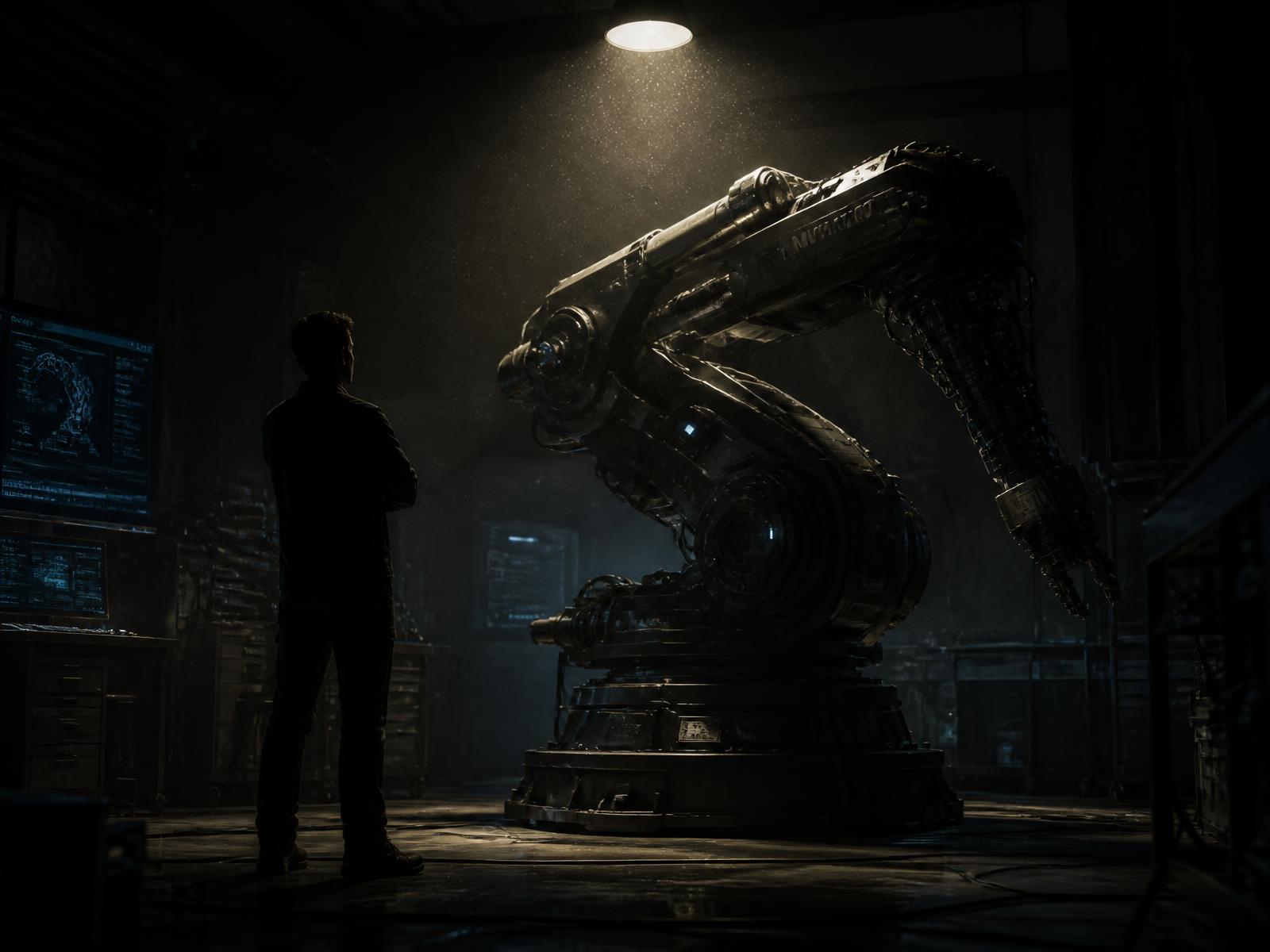
Reliability is
the constraint.
Not the goal. Not a feature. The constraint that shapes every mechanical choice, every line of software, every review we hold before shipping a system to a customer.
Eight beliefs that shape the work.
These aren't slogans. They are decisions made — and sometimes expensive decisions unmade — inside real engineering reviews.
Design for reliability
The measure of a system is not its peak performance but its worst-case behaviour. We choose components, architectures and tolerances by how they fail — then engineer to prevent it.
Engineer for maintainability
A machine that cannot be serviced by the customer's team is not an asset. Every subsystem is designed for access, diagnosis and repair by ordinary field engineers.
Automate with purpose
Automation is never the goal. The goal is a customer's operational outcome — throughput, safety, working conditions. Everything else is engineering detail.
Keep complexity hidden
Sophistication belongs inside the system. Simplicity belongs at the interface where the operator meets the machine.
Precision before scale
We would rather deliver one system that runs perfectly for ten years than ten systems that each need attention. Scale earned, not assumed.
Reliability over novelty
Long service life is the highest form of innovation. Novel technology matters only when it makes the system more dependable — never less.
Quality before quantity
Fewer, better systems. Every subsystem specified, every interface reviewed, every failure mode considered before hardware is cut.
Build systems customers can depend on
In the end, this is the only measure that matters. A Tetsu system on a customer floor ten years from now still doing its job.
Craftsmanship
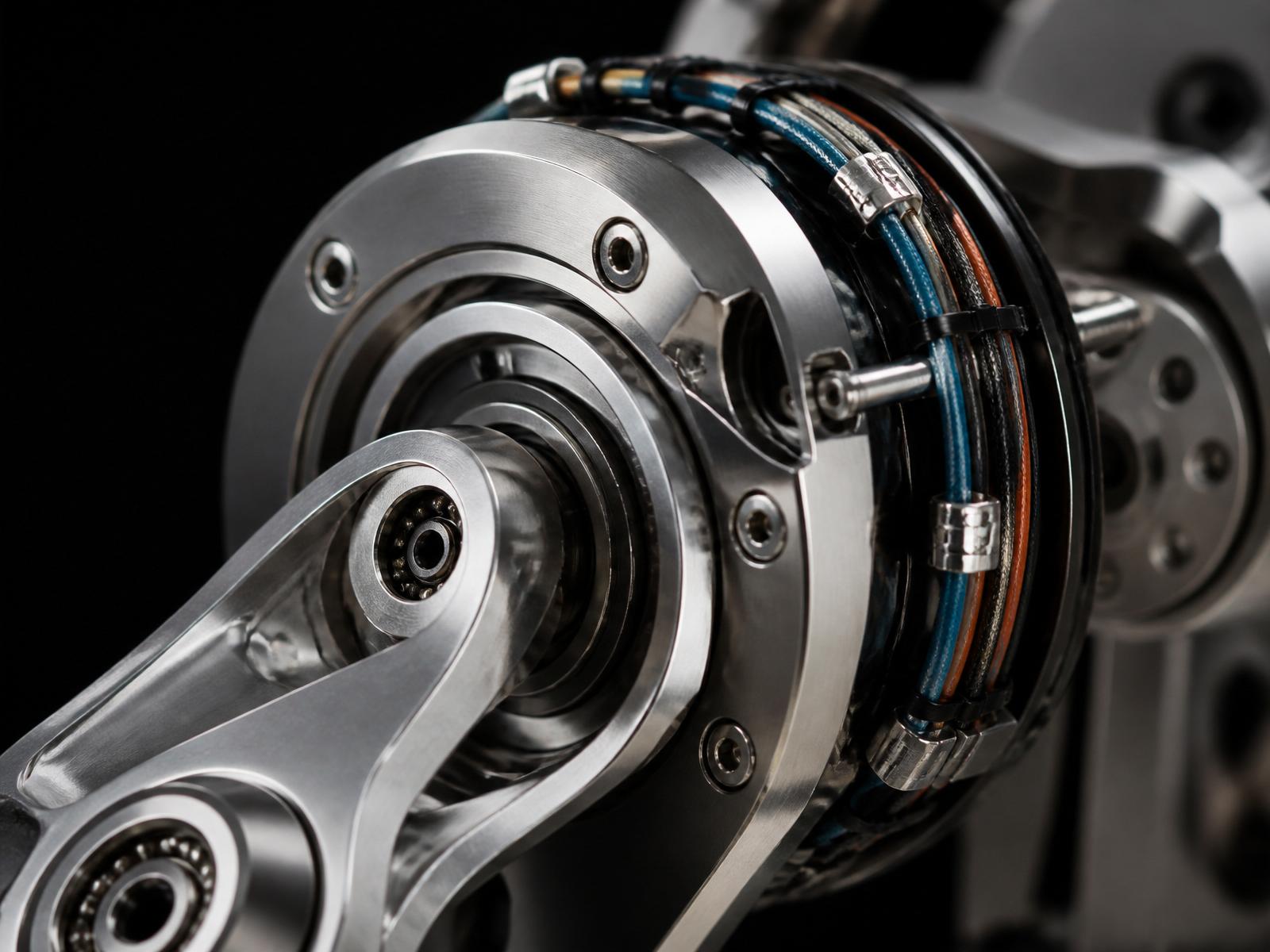
Every detail is deliberate.
A robotic system is a chain of thousands of decisions. The bearing chosen, the cable route, the recovery behaviour when a sensor drops out. We take responsibility for every link — because every one of them determines whether the system is running on a Tuesday morning three years from now.
Work with our engineers →